Over the last decade, the Whakatipu Wildlife Trust has been quietly helping native wildlife reclaim its place across the Whakatipu Basin. Through thousands of predator traps, hundreds of volunteer hours, and strong partnerships across the community, birdsong is returning to places where it has long been absent.
But removing predators is only part of the story. What happens to native wildlife once those numbers come down? And how do we know whether the landscape is recovering?
Supported by a second consecutive Love Queenstown Impact Grant, the Trust is taking the next step in that journey. This year's funding is helping establish a long-term biodiversity monitoring programme, creating the evidence needed to understand how native species are recovering and guide conservation efforts for years to come.
Watch our conversation with Executive Officer Anna Harding-Shaw below to learn more about the Trust's work, the importance of long-term monitoring, and what it tells us about the future of biodiversity in the Whakatipu.
The community working towards a shared goal
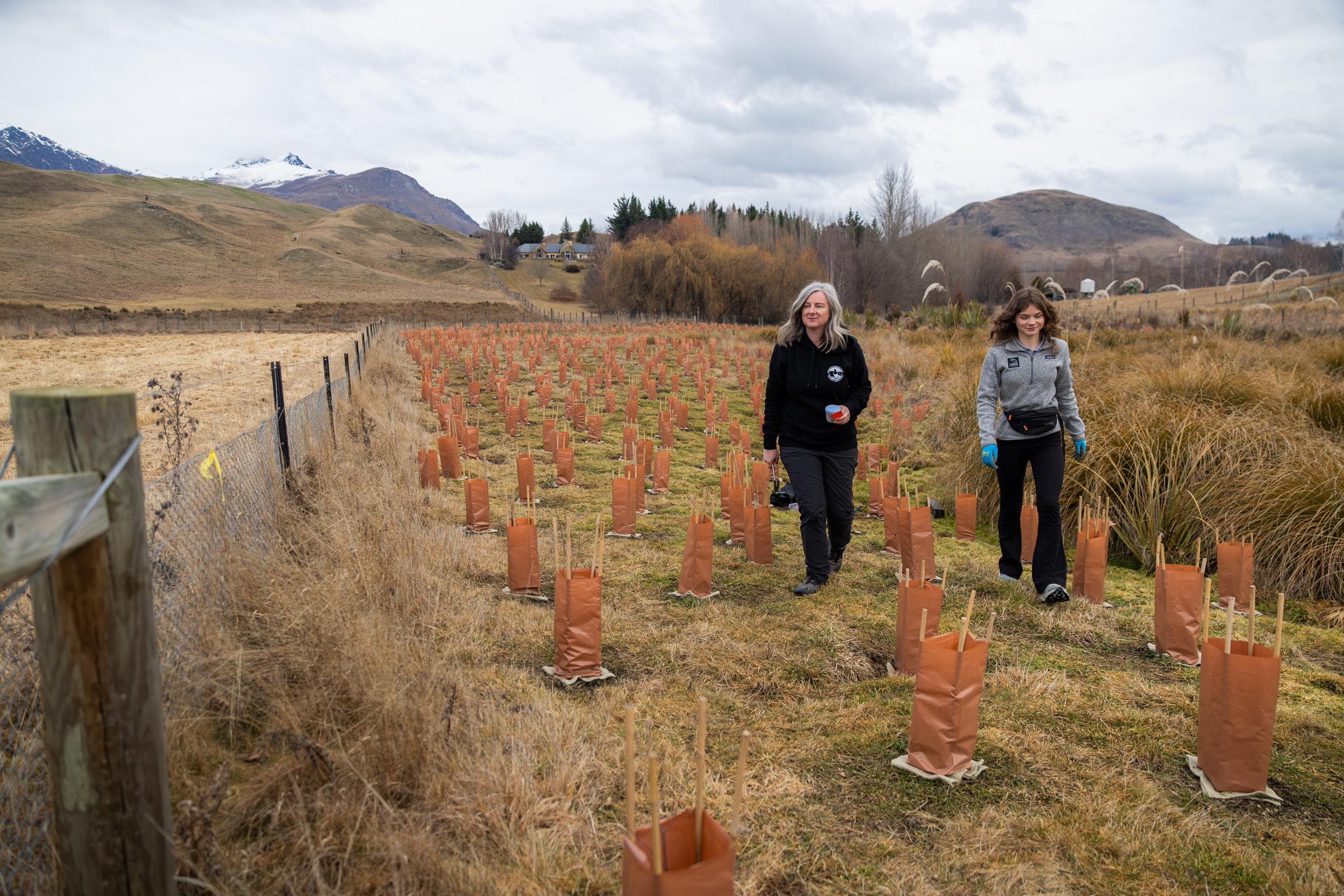
The Whakatipu Wildlife Trust was established in 2017 to help create a future where native wildlife can flourish across the Whakatipu Basin, free from the impacts of introduced predators. Today, it works alongside hundreds of volunteers, landowners, schools and conservation organisations to coordinate one of the region's largest community predator control networks.
Its network of over 4,000 predator traps removes around 15,000 predators every year, helping protect native birds, reptiles and invertebrates across the basin.
The Trust is one of many community groups across the region working to restore biodiversity. Alongside its community trapping network, the Wildlife Trust also partners with other organisations in the district on wider conservation efforts. As a founding partner of Southern Lakes Sanctuary, this includes wildlife projects such as moth monitoring on Ben Lomond and lizard monitoring in the Whakatipu.
Across the district, that collective mahi takes many forms, from restoring wetlands and planting native forests to improving freshwater health and controlling wilding pines, all contributing to healthier habitats for native species.
From protecting biodiversity to understanding recovery
Love Queenstown first supported the Whakatipu Wildlife Trust through a 2024 Impact Grant, helping fund the consumables needed to expand the Trust's network of self-resetting AT220 predator traps. Those traps continue to play a critical role in reducing predator numbers and protecting vulnerable native species.
Building on the success of this work, the 2025 Love Queenstown Impact Grant is supporting the next stage of the Trust’s conservation efforts. Rather than focusing solely on expanding the trapping network, this year's funding is helping establish a long-term biodiversity monitoring programme to track how native species respond and ecosystems recover.
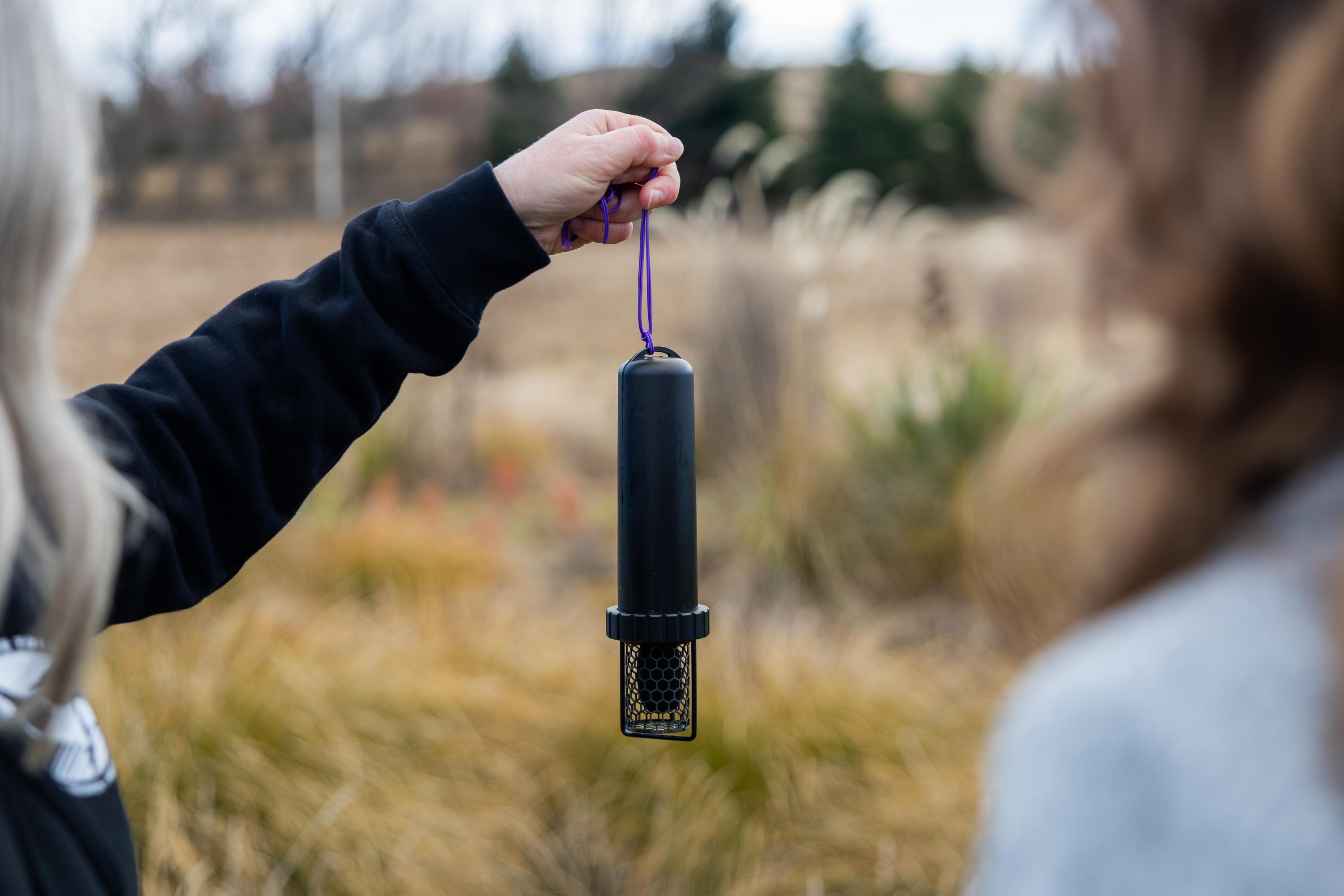
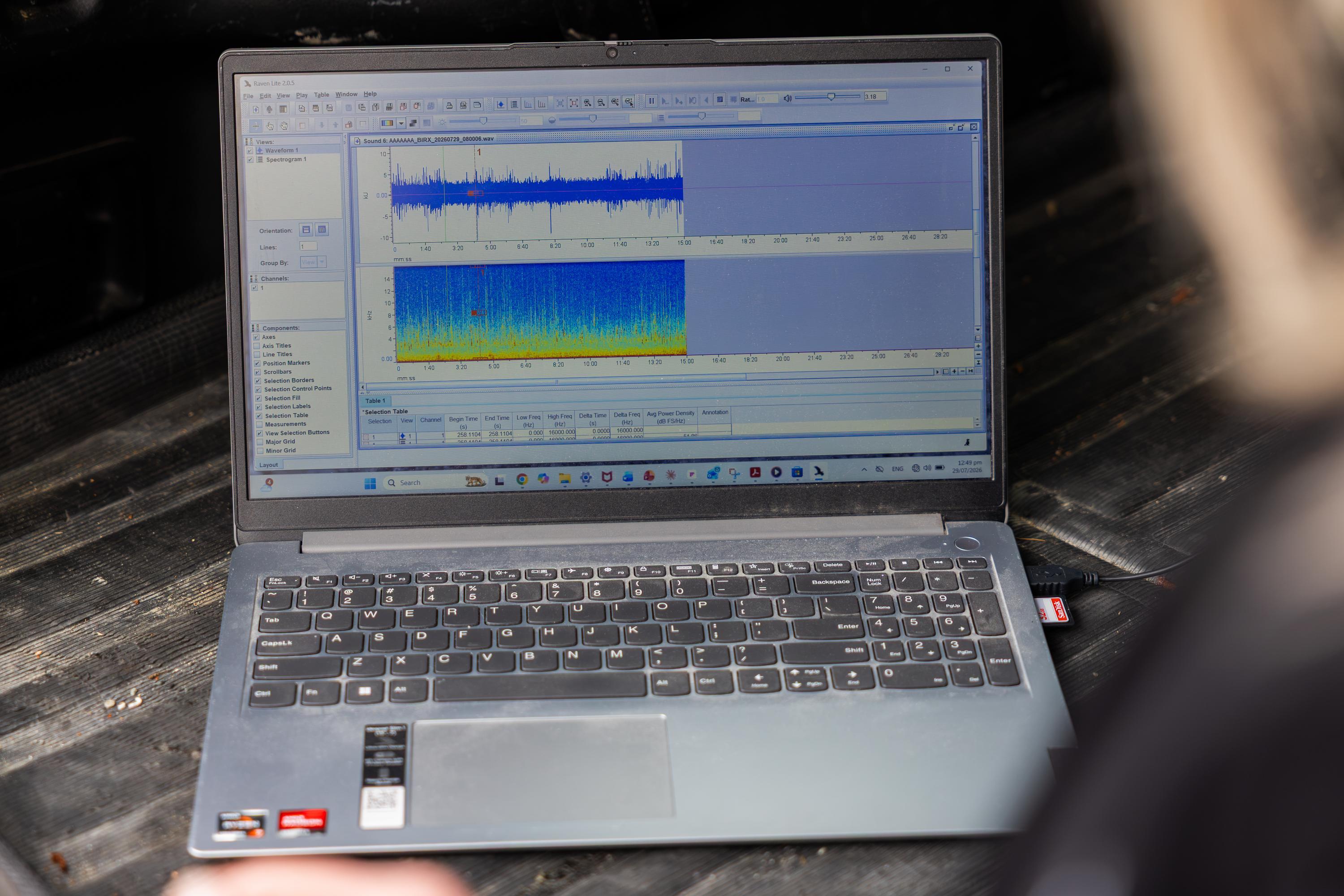
Through five-minute bird counts, acoustic recorders, trail cameras, tracking tunnels and other monitoring tools, volunteers are collecting the information needed to understand not only where wildlife is returning, but why.
Over the coming years, these observations will become an increasingly valuable dataset, helping inform predator control, guide restoration efforts, and build a clearer picture of ecological recovery across the Whakatipu.
Building a long-term picture
Understanding how biodiversity changes across the Whakatipu Basin will take consistent monitoring over many years.
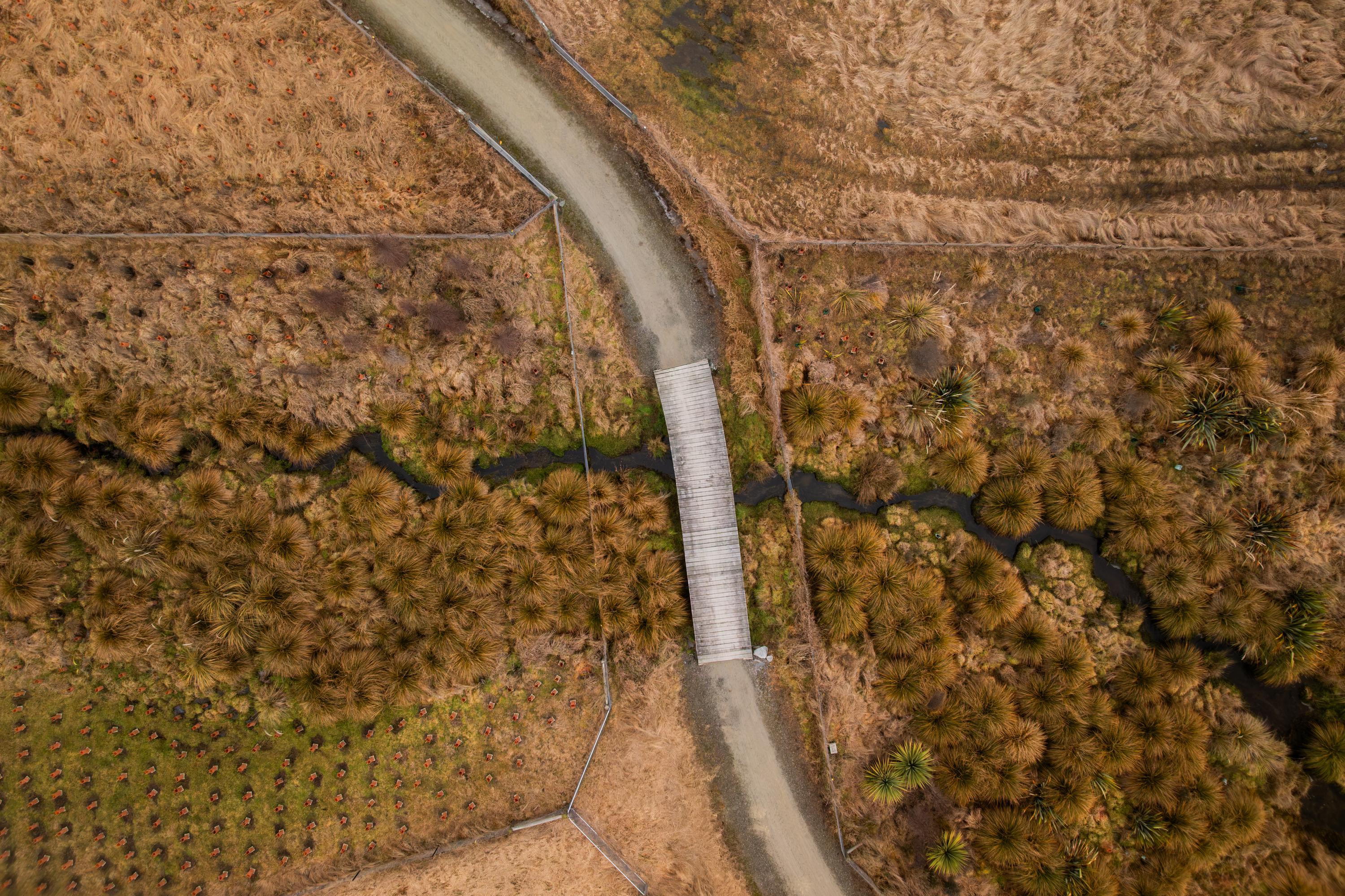
By establishing seasonal monitoring at sites throughout the basin, including several regionally significant wetlands, the Trust is creating a long-term dataset that will become more valuable with every passing year. Rather than providing a single snapshot in time, it will reveal broader trends, helping conservation organisations understand how biodiversity is responding, where restoration is succeeding, and where future effort can have the greatest impact.
The programme is also expanding opportunities for people to get involved. While trapping remains at the heart of the Trust's work, biodiversity monitoring offers another way for volunteers to contribute, creating a growing network of people helping build our understanding of the natural environment.
Telling the story of collective action
Perhaps most importantly, monitoring helps tell the story of the district's collective conservation effort.
The return of native species isn't the result of one organisation alone. It's the combined impact of predator control, habitat restoration, native planting, freshwater protection, community volunteers, schools, businesses and countless hours of work taking place throughout our region.
Already, there are reasons to celebrate. Kākā are becoming regular visitors around Lake Hayes, kea are returning to alpine areas, and native species are appearing in places they haven't been seen for many years. These are encouraging signs of what can happen when communities invest in conservation over the long term.
By building a long-term record of biodiversity across the basin, the Trust's monitoring programme will help document these changes over time, providing the evidence needed to better understand ecological recovery, guide future predator control and restoration efforts, and recognise the collective impact of our community's conservation efforts.
Powered by partnership
Love Queenstown exists to make it easier for businesses, visitors and the wider community to support local environmental action.
Through the Annual Impact Grants, donations are directed to community organisations delivering meaningful environmental outcomes on the ground, while strengthening the wider network of people and projects restoring our region.
The Whakatipu Wildlife Trust's journey reflects that approach perfectly.
Last year's grant helped expand predator control. This year's investment is helping build the knowledge needed to guide the next decade of restoration, creating a lasting resource that will benefit not only the Trust, but the wider conservation community.
Because restoring biodiversity isn't just about the work we do today. It's also about understanding the difference that work makes, and giving future generations something to build on.

