A community-led project in Glenorchy has recorded thousands of long-tailed bat detections, giving the township its first robust baseline for understanding and protecting its native pekapeka population.
The Pekapeka as Teachers project has been supported through two successive Love Queenstown Impact Grants awarded to the Tāhuna Glenorchy Dark Skies Sanctuary. The first enabled the group to purchase 10 acoustic bat monitors in 2024, while a further $10,000 grant funded another 15 devices the following year.
A short survey in spring 2024 confirmed that long-tailed bats were active around the township. With more monitors available, volunteers were able to take a much closer look the following spring.
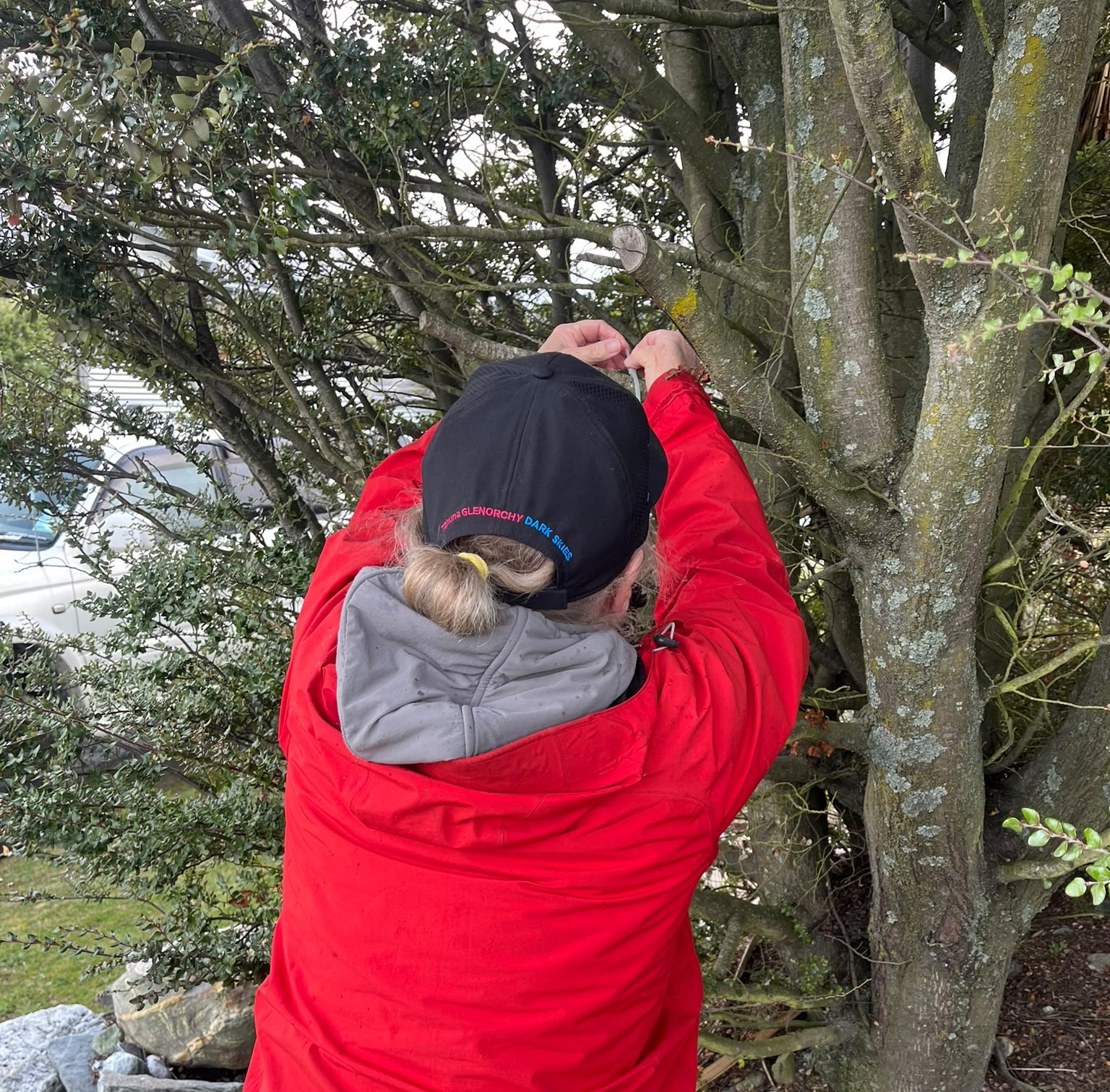
Twenty acoustic recorders were deployed over 29 nights from 15 October to 13 November 2025 at sites throughout Glenorchy township.
The monitors recorded 6,701 long-tailed bat ultrasonic call sequences. Bats were detected on 28 of the 29 survey nights, and every recorder picked up activity. Individual recorders registered between 121 and 810 detections, with the busiest location near the Glenorchy Golf Club pines.
The figures do not represent 6,701 individual bats, as the same bat maybe recorded several times. However, they show a remarkable level of activity across the township.
“In plain English, the outcome was awesome,” Tāhuna Glenorchy Dark Skies Sanctuary chair Dr. Leslie Van Gelder says.
“We were so delighted to discover that we have a very active and chatty bat population already.”
The results provide a baseline for tracking bat activity from year to year, while helping the community understand how local conditions may be influencing pekapeka.
Artificial lighting can disrupt bats’ movement and feeding, while darkness supports the moths and other insects they rely on.
Leslie says as the community works towards becoming an International Dark Sky Community, residents and businesses will be encouraged to manage and ideally reduce their outdoor lighting.
"The positive impact we hope to see in our bat populations will be encouragement for us all. It’s something we can now track year on year because Love Queenstown supported us to purchase the monitors and develop the program.”
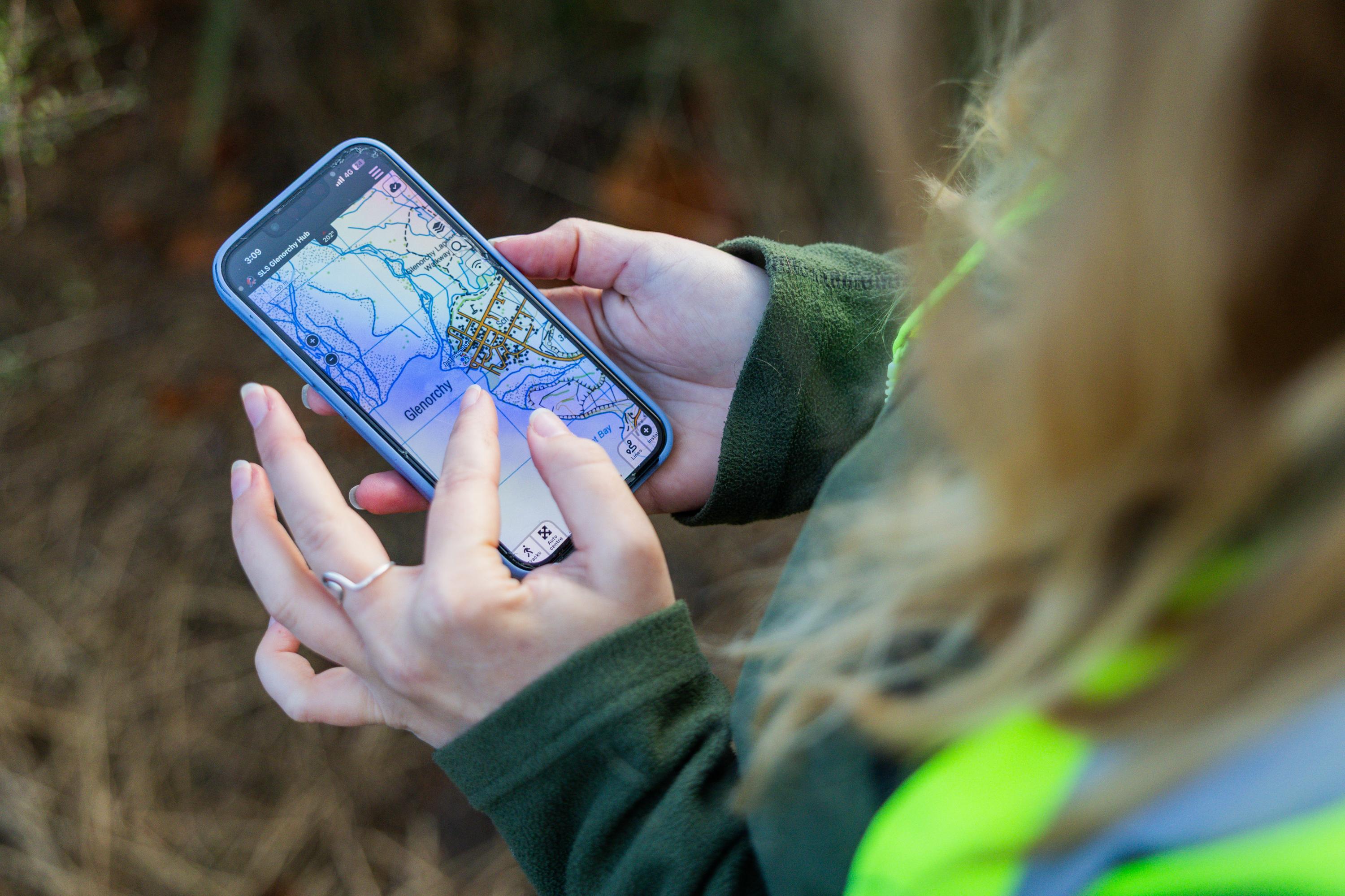
A special Bat News update, shared through the Glenorchy community website and newsletter, includes a Bat Map showing areas of higher and lower activity and invites residents to consider the role of lighting, vegetation, insect life, and possible flight paths in their neighbourhoods.
The project was delivered with support from Southern Lakes Sanctuary biodiversity projects coordinator Sam Purdie, who helped design the survey and analyse the recordings. Southern Lakes Sanctuary also contributed staff time and the artificial intelligence software used to process the large volume of data.
The monitors have already been put to work beyond the township. After completing the Glenorchy survey, they were redeployed across a 20-kilometre area of the Rees Valley, where bats were again detected by every recorder.
That result provides another useful clue, but acoustic monitors can only reveal where bats are calling. They cannot show exactly where the animals roost during the day.
A future option is specialist radio tracking, which involves temporarily fitting bats with tiny transmitters sometimes described as ‘bat backpacks’. Researchers can then follow the signal to learn where the bats fly, feed and roost.
Identifying important roosting trees would allow predator control and habitat protection to be more carefully targeted. Long-tailed bats can travel up to 30 kilometres in a night, so finding their daytime homes may require following them well beyond the places where their calls are recorded.
The group also plans to study local moth populations to better understand the bats’ feeding areas. Its collection of monitors could support further surveys in Kinloch, on nearby islands and in other communities exploring dark-sky status, helping build a wider picture of bat activity across the district.
The survey equipment listens for both long-tailed and short-tailed bats. No short-tailed bats have yet been detected, but the monitors will continue to provide opportunities to listen for them during future studies.
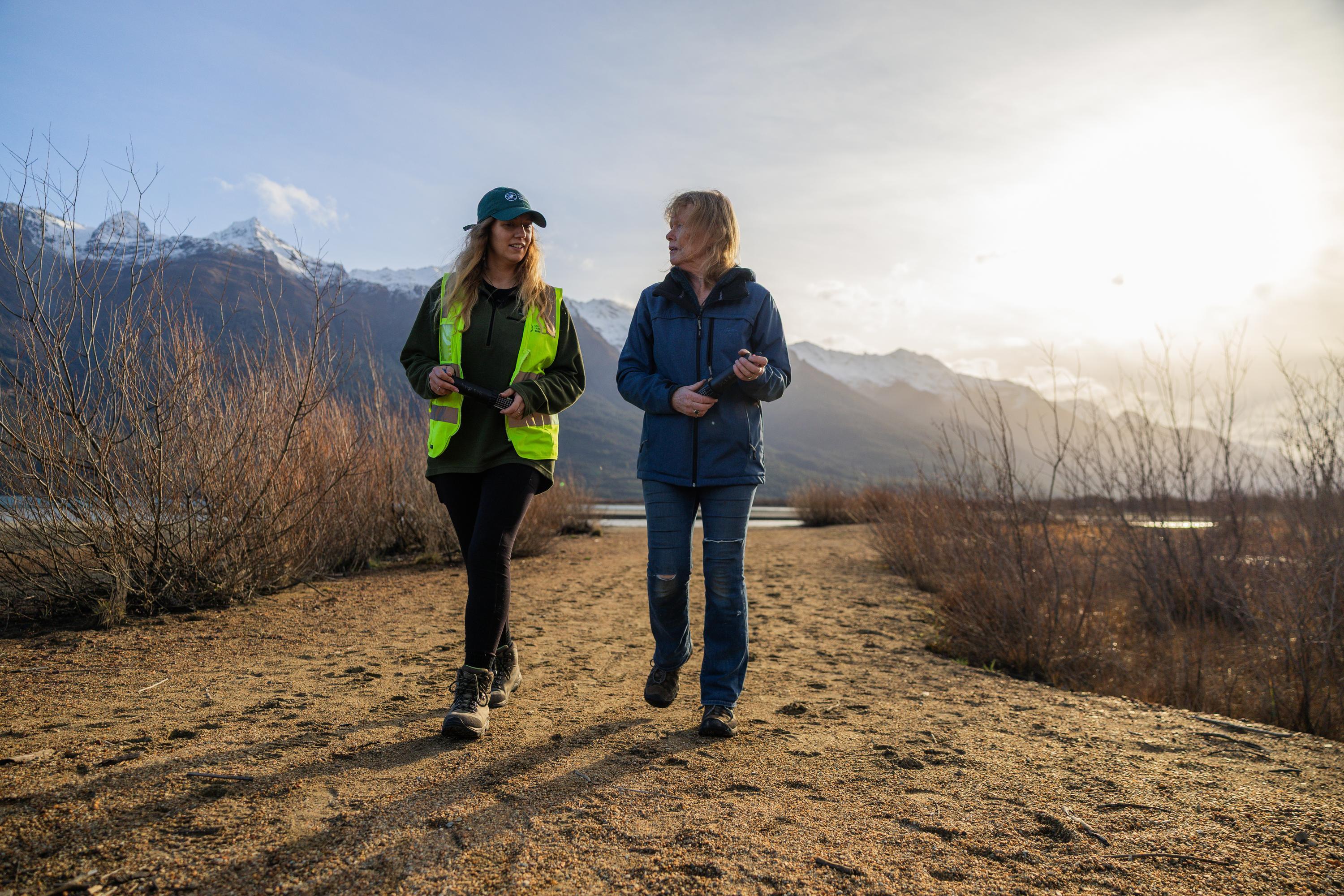
Long-tailed bats may be a familiar sight to some Glenorchy residents, but nationally they are classified as threatened and nationally critical.
The two years of Love Queenstown support have allowed the project to grow from a small pilot into a repeatable annual monitoring programme. The equipment can now be used each spring, while also supporting other conservation work around the Head of the Lake and further afield.
“We’re so grateful for this funding as it’s allowed us to do the first baseline study of Tāhuna Glenorchy’s long-tailed bat population,” Leslie says.
Businesses and visitors can help support more community-led conservation projects like this by contributing to Love Queenstown. Donations are directed into local environmental initiatives, helping groups across the district turn good ideas into practical action and continue caring for the places, wildlife and communities that make Queenstown special.

